Saturday, July 04, 2009

Fourth of July Update


The plants really appreciated that there was finally some sun this week, although of course it still rained a lot!
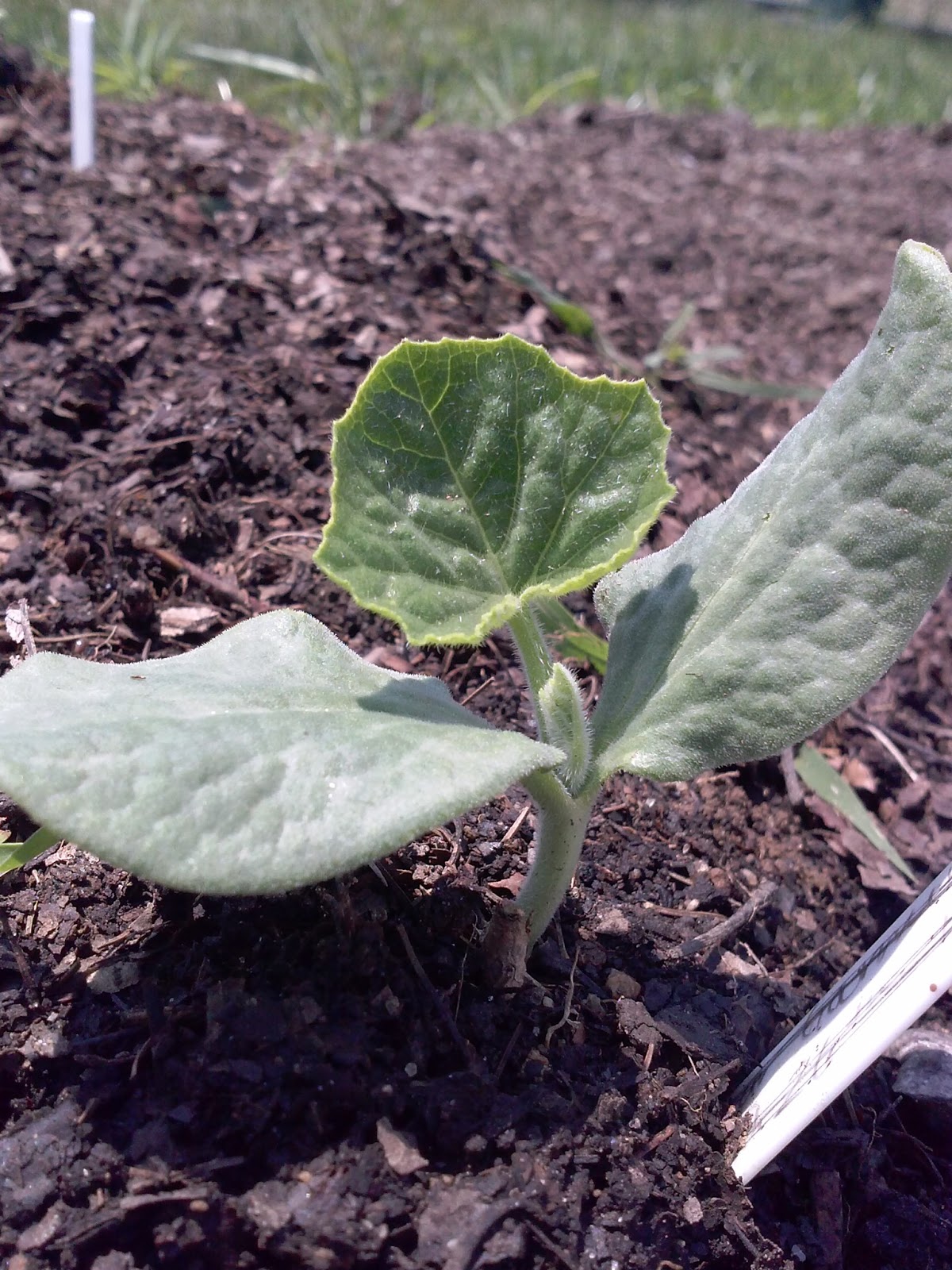
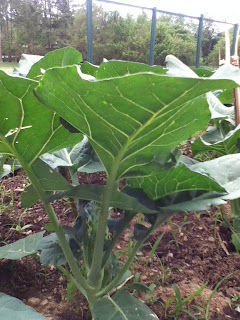
There are so many flowering squash plants. And, some baby zucchini, as well. The corn and tomato plants have really grown since last week; the sun did them a lot of good. The pepper plants also seem to have finally started growing, although they are still pretty small. Some more beets, chard, and arugula have sprouted as well.

Beets, Scallions, and a a flowering nasturtium

The peas and beans are still struggling after having been mostly eaten by a woodchuck which chewed through the fence. I've put up some metal fencing along the areas where it chewed through the most until we we can buy fencing to go around the whole perimeter.

Squash beetles and cucumber beetles are still the biggest problems in terms of bugs in the garden. However, they haven't done any really serious damage, and I have gotten many of their eggs as well.
I have seen the bees buzzing all around the garden, pollinating all of the squash flowers that are now blooming. I also have spotted many butterflies.

We are going to start getting coffee grounds from Catering, which will be great for composting and the soil.
The rainwater collection on 360 is on a temporary hold because I could not find one place that sells rain barrels in the New London area. Instead, Kristiane is going to look for two barrels up where she is and bring them down next time she visits.

Turnips


And after today, Eli will be taking over for me. I''ve really enjoyed all the time I've worked in the garden, and happy Fourth of July!

Tuesday, June 23, 2009

SO MUCH RAIN!


It has been raining all week again. Just to give everyone an idea, average rainfall in New London for the month of June is 3.91 inches. So far, we have had 5.94 inches of rain, and there has been recorded precipitation everyday except one since June 8th. And, there is already rain predicted for the rest of this week, and next week. It's barely gone above 65 either, and it has gotten as cold as 37. Very strange weather indeed, and the plants are growing pretty slowly. But they are growing, especially plants in the squash family. We even have our first zucchini flowers!

The herbs have sprouted in the herb garden! I was worried the constant rain would wash the very tiny seeds away, but a lot of the seeds actually stayed put and are now growing.

The bees are doing great, and all four hives are producing honey. According to Mr. Woronecki
, the first honey should be able to be harvested in 4 to 6 weeks.
We are also setting up a rainwater collection system on the gutters of 360! That should be done by next week.
I worked with the campus sustainability intern, Sally, last week in the garden. Hopefully she will be helping out more in the coming weeks.

Monday, June 15, 2009

Summer Update 2


A lot has been happening in the Sprout garden! For one, we have bees on campus! They were moved to the north end of the garden last week. I've spotted many buzzing all around and in the garden. Tomorrow, I am going to be getting a closer look at them with Stuart Woronecki, who moved the bees to campus.

Many more vegetables have been planted in the garden. This includes more beets, carrots, butternut squash, kale, onions, basil, tomatoes, peppers, eggplant and sunflowers. It has been raining almost every other day, and the plants are growing quickly. We've been getting daily harvests of absolutely delicious strawberries.

I also have dug and planted an herb garden around the rocks in the center of the garden. There are many types of herbs including sage, rosemary, lemon balm, lemon grass, chamomile, just to name a few. However, it was a little late to direct seed herbs, but hopefully we will still get at least some mature herbs later in the season.


Pests, especially cucumber beetles, are still causing a lot of damage to zucchini and cucumber plants. Also, I saw today that the tops of a few plants, especially the peas and beans, had been chomped off. I discovered a few places where some animal has chewed its way through the fence. The workers who are renovating 360 and Earth House told me they have seen a wood chuck in the garden. For now, I covered holes with big rocks, although I think we are going to need a more permanent solution than that.

Besides just working in the garden, I will also be meeting with Physical Plant later this week to discuss the possibility of modifying the gutters on 360 and Earth House in order to setup a rainwater collection system. Given they are already doing construction on these buildings now, it seems like a perfect time to set this up. I also hope to focus more on making contacts off of the Conn campus an
d in New London later in the week. We may even have enough mature produce to sell at Fiddleheads this coming Saturday, as the turnips, radishes, and bok choy are looking almost ready for harvest.

Wednesday, June 03, 2009

First Summer Update!

Over the past week, the garden has been growing extremely fast. Many seedlings, including beets, chard, various lettuces, shallots, and carrots, have sprouted and are looking healthy. Also the turnips, peas, and bok choy are doing extremely well. There are a lot of volunteer zucchini plants all over the garden. And, we have really delicious looking strawberries, some of which are even starting to ripen!


Clearing out the weeds and digging up beds has been keeping me really busy. I have cleared out and dug up almost the entire middle section, and I am almost finished clearing an area to dig an herb garden around the rocks. I have also checked out the seedlings that were started in the greenhouse, and all of the trays look very healthy. Most recently I got the tomatoes and peppers in the ground. I will be getting more plants from the greenhouse in the ground over the next couple of days including more tomato, onions, kale and eggplant.

Flats with very healthy tomato plants, and bean plants in the background


There have been many good and bad bugs flying all around the garden. So far, the only pest that has been any real trouble is the cucumber beetle. Yesterday I spent a long time picking off cucumber beetles and eggs, there were quite a few eating the squash plants.

We have a great crop of radishes, which will be sold to both Catering and the Dining Hall. Also, the word is that honeybee hives will start being moved onto campus tomorrow, which is extremely exciting!

Saturday, May 09, 2009

A Big Workday May 8th

The labors were intense, but the outcome victorious!


Friday, the last day of classes, provided enthusiastic sunshine for enthusiastic farmers. We planted a good number of beds with squash, cucumbers, beans and peas, but the bulk of the work done was putting the fence back up with a new and improved experimental ground-hog deterrent system (it made us feel good to dig trenches and weigh down the fence with bricks before covering the whole thing over with soil and rugs, anyway. I'm sure the groundhogs were watching and snickering).
the big boss directing his labor force

We also had large machinery come to our aid, operated by Mike, a stalwart grounds employee who spent a few hours of the afternoon in the backhoe lifting the boulders out of our garden. Thanks, Mike!


Eli working hard while Mike & the backhoe make quick work of the boulders


Everyone taking a break to observe the heavy machinery

We also attacked the knotweed and transplanted raspberry bushes!


"call me Stephen scissor hands" taking out the knotweed!

A big thanks to who came out and put in great work on a beautiful day!

Tuesday, April 21, 2009

Earth Fest!


Saturday, April 18th, Sprout was out in force representing organic agriculture at the annual Earth Fest on Knowlton green. Locals, faculty and students alike were out enjoy the environmental vendors and activities on a blazing spring day. Sprout took orders for our highly-sought after artistic organic cotton t-shirts and sold baked goods and tea from last year's crop. Feastable tickets were also up for sale, but people were not biting! We've got to step up our advertising and get people to invest in tickets for this amazing day of local food, speakers, and creative hands-on activities! Thanks to all who helped table!

Wednesday, April 15, 2009

be my honeybee

Sprout field trip to Stuart Woronecki's honeybee farm


Sunday, April 29th, Sprout members braved the backroads of Connecticut to be initiated into the world of beekeeping with music professor Stuart Woronecki at his farm in Hanover. We drove in through the old stone wall, greeted by two dogs and a fleet of children. Stuart had just driven up from Georgia the day before with 60,000 bees to replenish his hives. We had the opportunity to help him transfer them from the travel boxes into the hives he had prepared. Everyone (even the more timid members of our group) got a chance to place the queen bee's sugar-capped cage into last year's honeycomb inside the hive, and with a sharp tap to gather the sleepy bees at the bottom of the box, slip off the cover and flip it upside down over the opening into the hive. Bees were swarming around us constantly, buzzing close but rarely making contact. It made a comfortable, low hum in the air while tried to handle the bees as smoothly as Stuart (he learned in his youth from his neighbor, an elderly man born in 1896!). As the day warmed up and more bees started getting active we backed away from the hives and Stuart and his son donned protective suits to keep working. He also showed us the honey room in the barn where the culmination of all this activity is harvested. The details of bees' lives are fascinating-- here are a few facts we learned from Stuart:


*A queen bee's natural life cycle is 3-4 years, while the worker bees only live an average of 2-3 weeks (except in the fall, when the queen bee feeds her workers a different hormone and most of them live through the winter!)
*The queen emits a strong pheremone which quickly permeates the hive and all of the bees within. They can smell her particular odor on each other to know who's family and who's not. If the queen bee dies without a replacement the bees will find a new hive. If the hive gets too large the queen bee will nurture another queen and the hive will split into two.

*The queen only mates once in her life, then stores the semen to fertilize new larvae at will.

*Bees are a very 'hygienic' insect--they will clean their own hives and eject the unwanted debris.
the hives!


*When they collect nectar they mix it with an enzyme before depositing it in the wax honeycomb. It's very liquidy at first and must evaporate until there is almost no water content. The water is evaporated by the heat that the bees produce in the hive, easily reaching temperatures of 110 degrees on warm days.

*Beekeepers know when the honey is ready to be harvested because the bees cover over the comb with a wax seal. Then the honeycomb slats are put in the 'honey-spinner' where the centrifugal (or is it centripetal?) force extracts the honey and it is drizzled into jars.

a honeycomb slate

*100 hives (the number Stuart keeps) can produce six to sevent thousand pounds of honey every summer!
*The reason very young children are warned against eating honey is because it contains trace amounts of botulism.
*Honey is sometimes used as an antibiotic because of its dessicant properties.

We lingered on the lawn, drinking in the sunny day and the exuberant chickens sprinting across the grass. The call of schoolwork sounded distant behind the hum of the honeybees. We reluctantly said our goodbyes.

As soon as the flowers start blooming Stuart will be transporting two hives to the northern border of the Sprout garden! (We finally got the official go-ahead from Ulysses Hammond) so they will be pollinating our garden all summer and producing honey! Zoe will be working with Stuart over the summer to make sure the queens are happy and all is well in the hives.